The recent Cowichan Tribes v. Canada (AG) decision has quickly become one of the most discussed legal rulings in BC real estate. Whether you’re a homeowner, investor, or developer anywhere in the province, this decision is worth understanding because it touches on the foundations of land ownership in British Columbia.
What is the Case About?
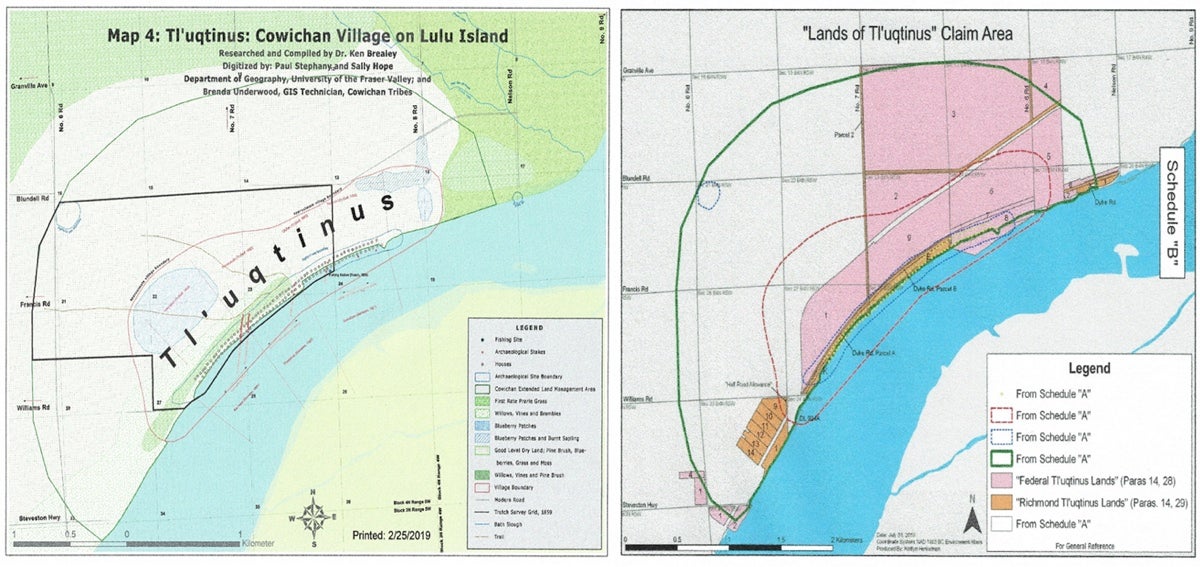
The Court’s long-awaited ruling, now the longest trial in Canadian history, concluded that the Cowichan Tribes hold Aboriginal title to specific portions of land in what is now Richmond. The decision found that the federal and provincial Crowns unjustifiably infringed this title by issuing fee-simple grants without properly extinguishing Indigenous rights, rendering many Crown-held land interests defective. While the Cowichan did not challenge private landowners in this proceeding and the Court emphasized that existing private titles remain unaffected for now, it also noted that the legal status of private fee-simple interests may need to be addressed in future cases.
At the core of the dispute was whether the Cowichan Tribes could meet the high legal threshold required to establish Aboriginal title, proving intensive, regular, and exclusive land use at the time of Crown sovereignty. The Court determined that they had done so, citing evidence of continuous, organized village-level occupation. This recognition of Aboriginal title on lands that now include homes, businesses, and industrial areas underscores the complex relationship between Indigenous rights, Crown land grants, and modern property ownership in British Columbia.
At the core of the dispute was whether the Cowichan Tribes could meet the high legal threshold required to establish Aboriginal title, proving intensive, regular, and exclusive land use at the time of Crown sovereignty. The Court determined that they had done so, citing evidence of continuous, organized village-level occupation. This recognition of Aboriginal title on lands that now include homes, businesses, and industrial areas underscores the complex relationship between Indigenous rights, Crown land grants, and modern property ownership in British Columbia.
Why This Matters for All of BC
The Cowichan ruling does not overturn private ownership, but it does introduce a level of uncertainty into BC’s land registry system by questioning how secure Crown-granted title truly is. For the first time, the Court recognized that Aboriginal title can coexist with, and potentially challenge, certain Crown-granted interests. As the government focuses its efforts to reconcile and address the historic and unresolved issues with First Nations, we can expect to see more of these landmark legal decisions throughout the province.
This near-term uncertainty is already affecting the real estate and development sectors. Developers and lenders have begun responding cautiously, with at least one Richmond company reportedly denied financing for a project valued at over $100 million due to concerns tied to the decision. Some private landowners within the claim area are also experiencing delayed or declined financing. As lenders reassess risk, this growing uncertainty is expected to influence property values within the affected region.

My Final Thoughts
The Court invalidated only Crown-held titles and directed the parties to determine how Aboriginal title can coexist with existing interests. This leaves significant room for change in how future land claims are resolved. Although the Cowichan land claim area includes private landowners, I don’t think there will be (or should be) significant long term impact regarding private real estate ownership in BC as there’s too much at stake here. Because of the short term anxiety caused specifically with this ruling, I believe this will be imperative for the government and First Nations to step up and finalize agreements that are within developed areas of the province. Some of these potential outcomes could include new governance models for First Nations, shifts in property taxation authority, financial compensation, resource management agreements, land swaps, or other negotiated solutions. Because the Court has not determined the final form of the settlement, the responsibility now lies with the Cowichan First Nation and the government to reach an agreement. But while the BC Government and others currently appeal the decision, no immediate changes will occur until the case moves through the courts.
Despite the lack of immediate impact, the ruling opens the door to further legal examination and creates understandable concern among homeowners and investors. The case underscores how uniquely complex land title is in British Columbia, where most land remains unceded and similar claims could arise across the province, including the Fraser Valley, Vancouver Island, and the Interior. My hope is that future agreements or legislative amendments don’t create more restrictions and chokehold further development on private landowners. Achieving a balanced resolution is essential to maintaining affordability, stability and certainty in BC’s real estate market, while serious reconciliation efforts will help us address historic issues and create a future where all people in BC can move forward and prosper together.
For developers, lenders, and homebuyers, the decision highlights the increasing importance of Indigenous title considerations in real estate due diligence. This case serves as a reminder that anyone purchasing property in BC should thoroughly investigate Indigenous rights and land claims as part of their decision-making process.